Author: Fell Law Firm

  • What Landlords Must Know About Commercial Lease Evictions

    The commercial lease eviction and residential lease eviction processes in Texas are similar. Yet, a commercial eviction will affect more than a single tenant. Often, commercial properties include office buildings, retail establishments and other places of business. 

    As a landlord, it’s your responsibility to handle the eviction process lawfully to protect your rights and the wellbeing of your commercial tenants.

    Understanding the Texas Lockout Law

    Texas law allows landlords to change the locks on a commercial property to communicate late rental payments. You’re able to lock tenants out of a commercial property if three factors are met:

    • If the tenant owes rent, your lease allows a lockout, and you follow the specific notice requirements
    • If you need to do repairs or construction
    • If the tenant has abandoned the property

    It’s important to understand that a lockout isn’t a formal commercial lease eviction, and your tenant can still regain access to their property.

    Next Steps in the Commercial Eviction Process

    In some cases, a lockout may not work or be appropriate. If that’s the case, it may be in your best interest to move forward with the formal commercial eviction process. We recommend reaching out to an attorney who can help you through the process. 

    The basic steps of the commercial eviction process are as follows:

    1. Review your lease agreement: You must make sure there are grounds for eviction. For example, if your tenant is late on rent but you offered a grace period, the eviction process can’t begin until after the period is over.
    2. Offer notice to vacate: You must first give your tenant at least three days’ notice to vacate the property unless your lease agreement states another period.
    3. File a forcible detainer suit: After the notice period is up, you can file a forcible detainer suit. If you win your case or your tenant fails to appear, you’ll receive a writ of possession for the property. This means your tenant will have 24 hours to vacate the premises.

    Trouble Evicting a Commercial Tenant? Let Us Help.

    The eviction process can be cumbersome for busy landlords. If you need assistance with evicting a commercial tenant, we can help. To learn more about commercial eviction or to speak with an attorney, give our legal team at The Fell Law Firm a call at 972-450-1418 or send us a message.

  • What to Do If You Suspect Your Insurance Company of Bad Faith

    When you purchase an insurance policy, whether it be for your health or to protect your home, you trust the company to protect you. Unfortunately, some insurance companies may often fail to honor the terms of the policy, also known as acting in bad faith.

    Common Examples of Insurance Bad Faith

    There are many ways an insurance company can act in bad faith. For example, your insurance company may deny a claim without giving a valid reason. Other signs of bad faith to look out for include:

    • Delays: Your insurer might fail to deny or pay your claim within a reasonable period on purpose.
    • Zero communication: You have the right to ask your insurer questions about your claims as well as any decision made. If your insurance company doesn’t respond to your calls or fails to inform you of a claim decision, they might be acting in bad faith.
    • Canceled policy: Did you file an insurance claim only to find out your insurer canceled your policy without informing you? This is a definite red flag of bad faith.
    • No investigation: Another telltale sign of bad faith is rejecting your home or auto insurance claim before investigating.

    3 Steps to Take Now If You Suspect Bad Faith

    Do you suspect your insurer is acting in bad faith? If so, there are some necessary steps you must take to receive the compensation you need for your claim.

    1. Document your claim process: Take some time to document what has occurred during the claim process up until this point. For example, who is your contact at your insurance company? What is the reason for their denials thus far? This information will help build your bad faith case.
    2. Try to contact a supervisor or director: Some companies have a specific department that handles claim concerns. Others have a Director of Claims department. Get in contact with someone other than the individual you’ve been speaking with up until now. Communicate your concerns and document what they say in return.
    3. Reach out to an attorney: If you’re unable to get any movement with your claim, reach out to a lawyer. A bad faith attorney will help you receive compensation for your claim by working with your insurance company on your behalf.

    Call the Attorneys at The Fell Law Firm Today

    If you suspect bad faith insurance practices, you shouldn’t have to go through the legal process alone. Allow the experienced attorneys at The Fell Law Firm to help. To learn more about bad faith practices or to speak with an attorney, give us a call at 972-450-1418 or send us a message.

  • How to Handle Your Medical Bills After a Car Accident

    Car accidents are notorious for causing life-changing injuries and expensive medical bills. For example, you might need a hospital stay, oversight in a clinic setting and continued physical therapy. Mounting costs are a source of stress at a time you should be focused on rest and recovery. 

    Allow us to give you some peace of mind by explaining how to handle your bills after a car accident and while you wait for a settlement.

    How Do Your Medical Bills Get Paid in Texas?

    Texas is an at-fault state, so the guilty party is the one who pays your bills. If you aren’t more than 50 percent at-fault for your accident, the other party’s insurance company will be responsible for paying your medical bills and costs associated with property damage.

    Often, the other party’s insurance company doesn’t cover all of your costs. They may also offer a low-ball settlement to try to end negotiations. If this is the case, you must consider reaching out to a personal injury attorney who can help you file a claim. 

    By filing a lawsuit, you may be able to recover a wide range of damages, including:

    • Past and future medical expenses
    • Pain and suffering
    • Physical impairment
    • Lost wages
    • Property damages
    • Loss of use of the vehicle
    • Mental anguish

    What If the Other Party Isn’t Insured?

    If the at-fault party isn’t insured, you can look to your own auto insurance. If you purchased uninsured/underinsured motorist coverage, these policies could cover your medical expenses and sometimes property damage, depending on your policy.

    What Should You Do While You Wait for Your Compensation?

    There will be time between your accident and when you receive compensation. It’s important to receive the medical care you require to ensure you’re able to heal. For now, your bills should be sent to your health insurance or auto insurance company, depending on your available coverage. 

    If you receive a bill in the mail, make sure your attorney has a copy. You should also keep a copy for your records, as well as any receipts of payment. To help with the burden, check your hospital or clinic for payment plan options or reduced service rates. These can be a great help while you wait for payments to come through.

    Call The Fell Law Firm Today for Experienced Advice

    The Fell Law Firm in Dallas helps many car accident victims receive the compensation they deserve. We can help you too. Learn more about our legal services or talk to an attorney about your potential case by calling us at 972-450-1418or send us a message.

  • Understanding Tenant Screening in Texas

    Understanding Tenant Screening in Texas

    Most landlords follow a strict screening process when determining who should be their next tenants. To ensure you’re protecting your rights as a landlord and the rights of your potential tenants, you’ll need to understand Texas’ tenant screening laws.

    What Are Tenant Screening Laws in Texas?

    As a landlord, you can choose the criteria you wish to use to screen applicants. Before you start the process, you must provide potential tenants with an explanation of the criteria you’ll use for selection. This must also include the reasons why a tenant application might be denied, including:

    • Criminal history
    • Failure to provide complete information
    • Credit history

    You must also require the applicants to sign an acknowledgment that they received the explanation. The form must state that the applicant has had the opportunity to review your selection criteria, plus the factors that may result in a denial.

    Understanding Tenant Screening in Texas | Fell Law Firm | iStock-1182227785
    972-450-1418 – Are you a landlord in Texas who screens potential renters? If so, you need to know the law. To learn more, visit us today.

    Applications Must Be Considered Within 7 Days

    Each rental application is considered rejected if you don’t accept it on or before the seventh day after submission or after you accept a deposit. This means the application will be rejected for each applicant, including any co-applicants.

    Application Fees

    In Texas, you’re able to charge an application fee that covers the cost of the screening. Although there is no cap amount, you shouldn’t charge more than the actual cost of the process.

    Landlords Must Follow Federal Tenant Screening Laws

    In addition to Texas law, you must follow specific federal tenant screening laws. For example, under the Fair Housing Act, you can’t discriminate against applicants based on race, religion, national origin, familial status, sex or disability.

    If you use credit or consumer reports for selection, then the Fair Credit Reporting Act is critical for you as well. Under the act, you’ll need to tell applicants if they were rejected for a rental due to something on their credit report.

    Need Help Understanding Your Responsibilities as a Landlord?

    We’re here to support landlords throughout Texas who require a deeper understanding of the law or additional legal assistance. To learn more, give us a call at 972-450-1418 or send us a message.

  • Insurance Claim Denied? Here Are 3 Steps to Take.

    Insurance Claim Denied? Here Are 3 Steps to Take.

    Have you suffered a fire in your home and require an insurance payment to make necessary repairs? Have you been through a car accident and need help paying your medical bill? Has your insurance company refused your claim?

    It’s in these times that a delayed insurance claim can leave you feeling frustrated and overwhelmed. It’s your right to receive timely claim processing—let’s discuss your next steps.

    3 Steps to Take When Your Insurance Claim Is Delayed

    Most people believe there’s nothing they can do while they wait for word from their insurance company. This isn’t true. There are a few important steps you should take:

    1. Call your insurance company: If you’re still waiting for your insurance company to process your claim, it’s time to find out why there’s a delay. Call your insurance company to get more information. There might be something you can do or information you can gather that can speed up the process. For example, you may need to call your healthcare provider for additional medical documentation.
    2. Take notes: As you speak with your insurer and other parties, make sure to take notes of every conversation you have. This may come in handy later if you need to take further action towards your insurer.
    3. Review your policy: Take a look at your policy, which is your contract with your insurance company. If it states your insurer will pay your claim within a certain timeframe and they haven’t complied, you have the right to a lawsuit.

    3 Steps to Take When Your Insurance Claim Is Delayed | Fell Law Firm | iStock-1178985380
    972-450-1418 – Is there anything you can do when your insurance claim is delayed? Yes, there are some important steps you can take. To learn more, visit us today.

    Is Your Insurance Company Acting in Bad Faith?

    Sometimes, insurance companies will delay your claim simply to avoid paying it. This is an act of bad faith. If you’ve covered all your bases and your insurance company can’t give you a reason behind the delay, we recommend reaching out to an attorney. Your attorney can help you seek the compensation you need to move forward.

    Reach Out to Fell Law Firm Today for Help

    Are you stuck waiting on your insurance company to come through on your behalf? If you’re struggling through what looks like bad faith, we can help. To learn more about your potential case, give us a call at 972-450-1418 or send us a message.

  • 5 Tips for Avoiding Car Accidents During the Holiday Season

    5 Tips for Avoiding Car Accidents During the Holiday Season

    The holidays are fast approaching. And while many people lose their lives all year long due to serious car accidents, the busyness of the holiday season increases the number of fatalities.

    Fatal Car Accidents Increase During the Holiday Season

    According to the newest data compiled by the CDC, approximately 90 people lose their lives each day due to car accidents. Unfortunately, this number increases greatly during the holidays. On Thanksgiving Day alone, approximately 405 people die in car accidents across the country.

    5 Tips for Avoiding Car Accidents During the Holidays

    There are many reasons for the increase in fatal car accidents. Wintry weather conditions make roads treacherous to drive. Plus, the holidays are busy, resulting in an increase in travel for many. To keep yourself and your family safe this year, follow these safe driving tips:

    1. Keep your eyes on the road: You are your first defense against a car accident while on the road, so don’t drive distracted. Avoid using your phone to text or call until you arrive at your destination. Trust us, whatever it is can wait.
    2. Drive sober: The holidays are a time of celebration. And in some cases, this may include alcohol. Remember, even buzzed driving is drunk driving. If you partake, be sure to have a designated driver. It’s impossible to focus on the roads the way you need to while under the influence.
    3. Drive awake and alert: The holidays are busy, and with the rush of the season comes exhaustion and fatigue. Driving drowsy can result in serious crashes should you fall asleep or nod off on the road. If you’re traveling a great distance, stop off for some rest. Or drive with someone else who you can switch places with periodically to rest.
    4. Use caution during winter weather: When driving on roads covered in snow or ice, drive slowly and accelerate or decelerate slowly. Also, keep a safe distance between you and other drivers in case you slide.
    5. Wear your seatbelt: Although the most basic tip here, it’s the most important. Your seatbelt can help protect you if you suffer a car accident. Make sure putting on your seatbelt is the first thing you do when you enter your vehicle.

    5 Tips for Avoiding Car Accidents During the Holiday Season | Fell Law Firm | id1222018977
    972-450-1418 – Car accidents tend to be fatal during the holiday season. To learn how to avoid them, visit us today.

    Need Help After an Accident? Call Fell Law Firm Today.

    Have you been involved in a car accident? You don’t have to go through this alone. Let the attorneys at Fell Law Firm help support you during this time. To learn more about car accidents or to discuss your case, give us a call at 972-450-1418 or send us a message

  • What Is Insurance Agent Malpractice?

    What Is Insurance Agent Malpractice?

    A car accident can result in serious injuries and property damage that cut into your family’s bottom line. Fire and water can damage your home to the point of financial ruin. These scenarios can result from insurance agents being negligent in the insurance policies they sell to families and businesses. This negligence is also known as malpractice.

    Malpractice Isn’t Just for Doctors & Other Professionals

    When we hear the term “malpractice” we typically think of doctors and other professionals. Yet, malpractice is possible by anyone who offers professional services such as healthcare, consulting and insurance. The definition of malpractice is as follows:

    A dereliction of professional duty or a failure to exercise an ordinary degree of professional skill or learning by one rendering professional services which results in injury, loss or damage.

    Insurance agents are responsible for helping you protect yourself and your family from various scenarios. They do so by writing policies that contain sufficient coverage for everything from your vehicle to your home. They also have a duty to be truthful in explaining your many options. If they fail to do all of the above, the result could be serious financial harm.

    What Is Insurance Agent Malpractice? | Fell Law Firm | iStock-1199696902
    972-450-1418 – Malpractice isn’t reserved for just attorneys or doctors. Insurance agents can also commit malpractice. To learn more, visit us today.

    3 Examples of Insurance Agent Malpractice

    There are many ways an insurance agent can commit malpractice. Let’s dive into three different examples.

    1. An agent fails to purchase insurance on your behalf: When you visit your agent and ask to purchase specific insurance, your agent must follow through. If they don’t and something happens to whatever you’re insuring, you won’t have the protection you need.
    2. An agent fails to amend your policy after a change: If you move to a new home or purchase a new car, you must call your insurance company to alert them of the change. If your agent fails to amend your policy after notice of the change, you could suffer serious financial loss if something happens to the uninsured property.
    3. An agent fails to maintain your coverage: An agent is also responsible for ensuring you remain covered. For example, if an agent receives a letter stating that your insurance company is no longer insuring your property, they must notify you. If they fail to do so, it’s considered negligent.

    Has Your Insurance Agent Committed Malpractice? Call Us.

    If you feel your insurance agent has committed malpractice, we can help. To learn more about your rights as a policyholder, give our experienced team a call at 972-450-1418 or send us a message today.

  • What to Do If Your Landlord Won’t Return Your Security Deposit

    What to Do If Your Landlord Won’t Return Your Security Deposit

    Your security deposit is a sum of money you give your landlord in addition to your advance rent. Landlords ask for security deposits to protect themselves against surprise repairs or missed rent. When you move out of your rental unit, you should receive the security deposit back, unless there’s a specific reason for your landlord to keep it.

    Reasons Why Your Landlord Doesn’t Have to Return Your Security Deposit

    There are a few reasons why your landlord can legally retain your security deposit. For example, if you’re unable to pay your rent, your landlord can keep a portion or all of your deposit if needed. If you damage the property, your landlord can use your security deposit to make all the necessary repairs. Some of these damages may include:

    • Large spills
    • Broken doors and windows
    • Large holes or dents in walls
    • Mold and mildew

    Finally, if you leave behind large amounts of trash or your unit requires additional cleaning, your landlord can keep your deposit to pay the cleaning costs.

    What to Do If Your Landlord Won’t Return Your Deposit | Fell Law Firm | iStock-160589255
    972-450-1418 – Is your landlord refusing to return your security deposit? There are some steps you can take. To learn more about your rights, visit us today.

    What to Do If Your Security Deposit Is Rightfully Yours

    If you left your unit clean and in good repair and you’ve paid your rent, your security deposit is most likely yours. So, what can you do if your landlord refuses to return your deposit?

    1. Have a conversation: Start by discussing your right to your security deposit with your landlord. A simple discussion can go a long way.
    2. Write a letter: You may choose to write a demand letter to your landlord describing your right to your security deposit and whether or not you plan on taking legal action. Remember to keep a copy of the letter should you need to file a legal claim.
    3. Call an attorney: If you wish to take the dispute to court, we recommend calling an attorney. They can help you file a case to receive your security deposit back.

    Reach Out to an Experienced Attorney Today

    Are you the rightful owner of your security deposit? If so, you may need an experienced attorney to help you take back what’s yours. To learn more about your rights as a tenant or to speak with an attorney, give us a call at 972-450-1418 or send us a message.

  • How Much Can a Car Accident Cost You?

    How Much Can a Car Accident Cost You?

    A car accident is a traumatizing experience. After a motor vehicle accident, medical bills and auto repairs add up over time. Even the smallest fender bender can cost you in ways you haven’t considered.

    The Overwhelming Costs of a Car Accident

    In Texas, the total cost of traffic crash deaths in 2018 was $5.70 billion, according to the most recent data compiled by the CDC. Unfortunately, these costs don’t take into consideration the other traffic crashes that fortunately don’t involve a fatality. Here are the costs you’re potentially facing should you get into a car wreck.

    Auto Repairs

    Depending on the severity of your crash, auto repairs could cost you thousands. For example, the standard cost to repaint your vehicle can range between $1,000 and $4,500. You may require other repairs, including bumper repair, dent repair and windshield replacements, each costing anywhere from a few hundred dollars to a couple thousand.

    Medical Bills

    For many accidents, medical bills make up the majority of the costs associated with a car accident. For example, if you suffer injuries that result in a hospital stay, the average cost of a 3-day stay is around $30,000. If you require an ambulance, you can expect to pay a fee for pick-up between $500 and $1,000 and $10 to $30 for every mile required to the nearest hospital.

    Other medical costs include surgical intervention, physical therapy, follow-up care and other treatment needs.

    How Much Can a Car Accident Cost You? | Fell Law Firm | iStock-664915360
    972-450-1418 – A car accident can cost you thousands, depending on the severity. To learn more about the costs of an accident, visit us today.

    Lost Productivity & Work

    One of the costs that often goes unnoticed is your inability to work and provide for your family. After an accident, you’ll require ample time to rest and recover from your injuries. This means you’ll need to stay home from work for an extended period of time. Even when you return to work, you may need to take time off for follow-up appointments.

    Insurance Not Offering Enough to Cover Your Bills?

    Sometimes, your insurance may not offer enough compensation to cover all of these bills. For full compensation for your injuries, repairs and more, we recommend reaching out to an experienced personal injury attorney. An attorney can help you receive the compensation you deserve.

    Reach Out to Fell Law Firm Today

    Have you suffered a car accident? The experienced legal team at Fell Law Firm can help. To learn more about your rights or to speak with an attorney, give us a call at 972-450-1418
    or send us a message.

  • Arson Fraud: What to Do If You’ve Been Accused of Fraud

    Arson Fraud: What to Do If You’ve Been Accused of Fraud

    Struggling through the aftermath of a fire can be overwhelming, especially when it’s your home. You’ll need to work hand-in-hand with your homeowner’s insurance company to recoup your losses. Unfortunately, it’s not uncommon for insurance companies to try and reduce or reject their liability.

    In the worst situations, they may go as far as to accuse you of arson (deliberately setting fire to a property) in an attempt to recover insurance money.

    What Is Arson Fraud?

    Arson fraud occurs when a homeowner deliberately damages their home by fire in order to collect money from their insurance company. Often, arson fraud is committed by homeowners who find themselves in difficult financial situations.

    Arson is a serious crime. Most of the time, it results in a second-degree felony charge which results in 2 to 20 years in prison. Yet, arson can also result in a first-degree felony if the fire ends in the injury or death of a firefighter or other individual.

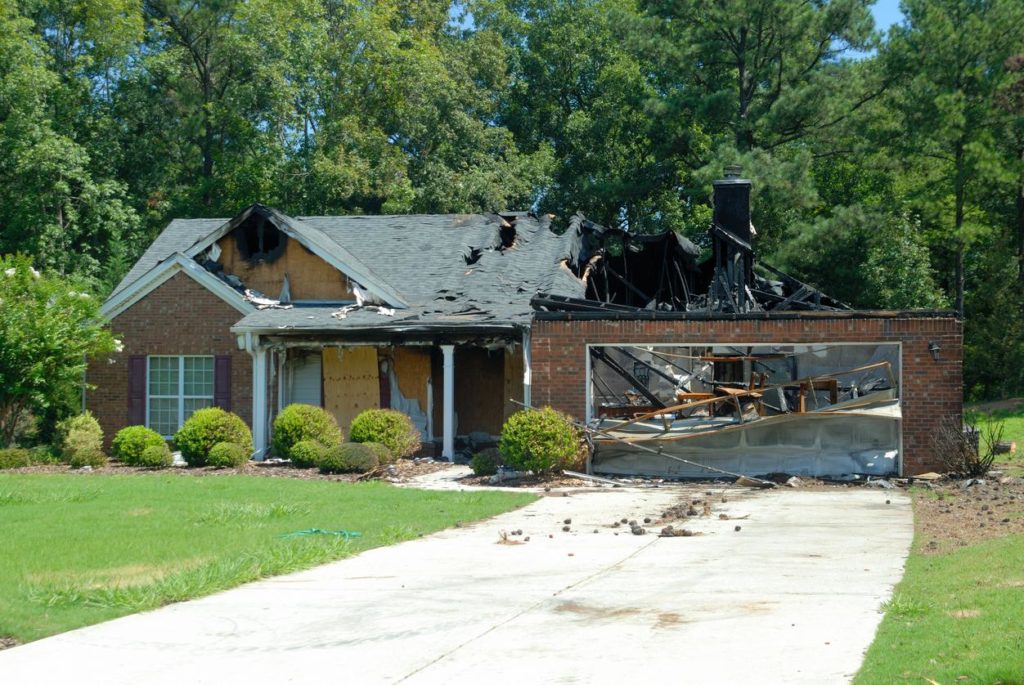
    What to Do If You’ve Been Accused of Arson Fraud | Fell Law Firm | iStock-149852127
    972-450-1418 – Have you been accused of arson fraud by your insurance company? An attorney can help. To learn more, visit us today.

    What Can You Do If You’ve Been Accused of Arson Fraud?

    Has your insurance company accused you of arson fraud? It’s important to find an attorney who can help you understand how to move forward. Arson is a serious charge that you shouldn’t handle on your own.

    The prosecutor in your case must prove without a reasonable doubt that you set the fire intentionally. They must also prove you made a false claim to your insurance company about the fire in order to obtain payment.

    After the fire occurs, your local law enforcement will conduct investigations to determine how the fire started. They’ll determine whether the fire was intentional or by accident. This information as well as other documentation can help solidify your case. An attorney can help you build a solid defense against the charge.

    Reach Out to the Team at Fell Law Firm Today

    If you’ve been accused of arson fraud, we can help. Our team has years of experience building cases against insurance companies who act in bad faith. If you’ve been accused of fraud, don’t wait. Give us a call today at 972-450-1418
    or send us a message today.