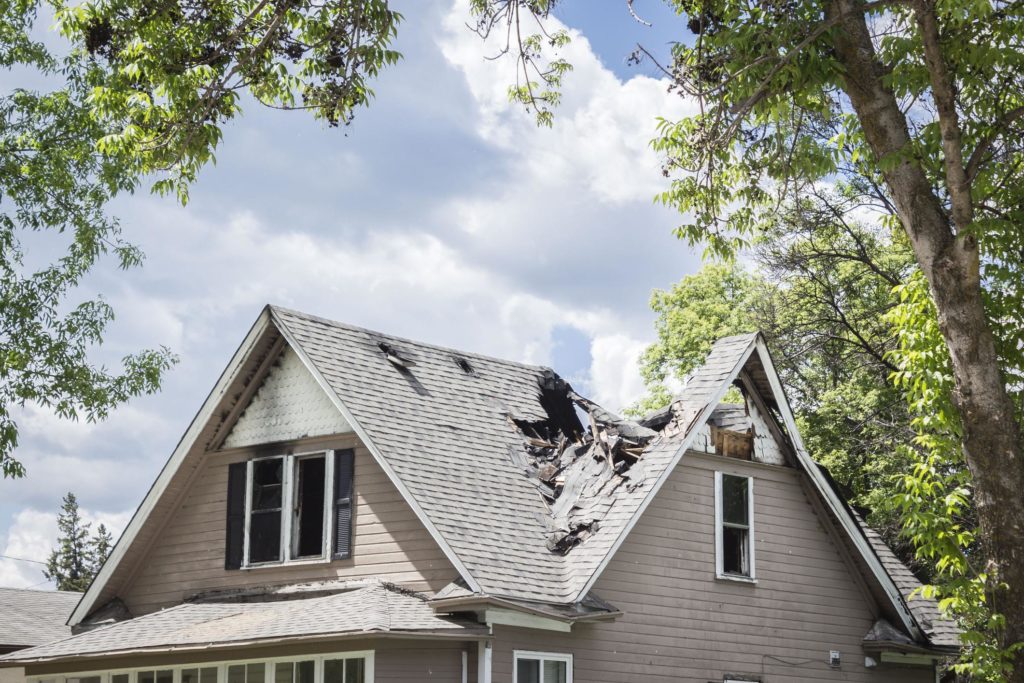
Blog

  • Understanding the Writ of Possession in Texas

    Understanding the Writ of Possession in Texas

    The eviction process can feel overwhelming, especially if your tenant refuses to comply after winning your eviction case. If your tenant will not vacate the premises voluntarily, you have the right to pursue a writ of possession.

    What Is a Writ of Possession?

    A writ of possession is a court order that allows a landlord to take back their property by force. If the tenant doesn’t move within a set number of days, the tenant’s property will be removed from the premises by law enforcement.

    Understanding the Writ of Possession in Texas | Fell Law Firm | iStock-928726322
    972-450-1418 – A writ of possession can help you as a landlord regain your property. To learn more about writs of possession, visit us today.

    Writ of Possession Laws in Texas

    In Texas, specific laws govern the use of these writs. For example, a writ of possession can’t be issued until six days have passed after the eviction judgment. This gives your tenant six days to vacate the premises before you obtain a writ.

    By law, the officer carrying out the writ of possession is allowed to:

    • Post a written warning: The officer will post a written warning on the exterior of the front door of the unit to notify the tenant of the writ. The tenant will be given 24 hours from the date of the notice to vacate the premises.
    • Execute the writ: The officer will deliver possession of the premises to the landlord. They will instruct the tenant to leave the premises immediately. If the tenant fails to comply with the order, the officer will physically remove them. The landlord will then have access to the tenant’s property so that they may remove it.

    All personal property left by the tenant must be placed outside the rental unit. If the specific municipality feels it necessary, they can provide the tenant a portable container to store their belongings in. Yet, if the tenant does not recover the property in a reasonable amount of time, the municipality can dispose of it.

    As a landlord, you have options for taking back your property. Yet, if you feel these additional steps are necessary, we recommend reaching out to an attorney for help.

    Call The Fell Law Firm Today for Help With the Eviction Process

    Our skilled attorneys have experience in all landlord-tenant matters. To learn more about the eviction process, give us a call at 972-450-1418
    or send us a message.

  • Understanding Texas Bad Faith Insurance Law & Your Rights

    Understanding Texas Bad Faith Insurance Law & Your Rights

    Insurance is used to protect your health, home, vehicle and more. When you sign on the dotted line of an insurance policy, you should expect your insurance company to insure you accordingly. Unfortunately, many insurance companies fail to honor the policy contract. As a result, they deny or delay valid insurance claims, an act known as bad faith.

    In Texas, insurance companies are prohibited from acting in bad faith. If you feel you’re a victim of unfair insurance practices, you have rights to a lawsuit under Texas law.

    What’s Considered Unfair Insurance Practices Under Texas Law?

    Texas law regarding unfair settlement practices can be found in Chapter 541 of the Texas Insurance Code. Under this law, unfair and deceptive insurance practices include:

    • Misrepresenting a material fact or policy provision relating to coverage
    • Failing to reach a prompt, fair and equitable settlement of a claim when liability is clear
    • Failing to promptly provide a reasonable explanation of the basis in the policy for the insurer’s denial of a claim
    • Failing within a reasonable time to affirm or deny coverage of a claim or submit a reservation of rights to a policyholder
    • Refusing, failing, or delaying a settlement offer under first-party coverage on the basis that other coverage may be available or that third parties are responsible for the damages suffered
    • Refusing to pay a claim without conducting a reasonable investigation

    For example, your insurance company may deny your claim even though it’s covered in your policy. Or they may refuse a storm damage claim without sending an adjuster to your property.

    Texas Bad Faith Insurance Law & Your Rights | The Fell Law Firm | iStock-843702194
    972-450-1418 – Your insurance company is prohibited from acting in bad faith. To learn more about Texas’ bad faith law, visit us today.

    What Are Your Rights as an Insurance Policyholder?

    As a policyholder, you have the right to file a lawsuit against your insurance company. Of course, you’ll need to prove the company intentionally acted in bad faith. We recommend hiring a bad faith attorney who can help build your case. If your attorney establishes bad faith, you may recover damages such as:

    • Up to three times the amount your insurance company would’ve paid towards a successful claim
    • Mental anguish
    • Attorney fees and court costs

    With any lawsuit, there’s always a potential for additional damages called punitive damages, which serve as a punishment against your insurance company. It’s important to note these damages are rare and depend on your specific case.

    Do You Believe Your Insurance Company Acted in Bad Faith?

    If so, we can help. To learn more about bad faith insurance, give us a call at 972-450-1418 or send us a message today.

  • Is Compensation Available After an Accident That’s Partially Your Fault?

    Is Compensation Available After an Accident That’s Partially Your Fault?

    Car accidents happen all the time. And, often, fault does not lay with a single driver. If you end up in such a situation, do you know if you will be responsible for paying for your medical bills and repairs on your own?

    In Texas, there is potential for you to get compensation for property damage and losses related to injury, even if you’re partially at-fault for a car accident.

    Texas Is a Modified Comparative Negligence State

    Texas is a “modified comparative negligence” state. This means a judge or jury will need to determine the levels of fault for you and the other party involved in the accident. If the judge finds you’re less at-fault than the other driver, you may receive compensation. The court will then reduce your damages based on your percentage of fault.

    For example, say you can receive $80,000 in damages. If the court finds you’re 20% at-fault for the accident, your damages will be reduced by $16,000 to $64,000.

    Compensation After an Accident That’s Partially Your Fault | The Fell Law Firm | iStock-1159603591
    972-450-1418 – Are you partially at-fault for a car accident? There’s still compensation available to you. To learn more, visit us today.

    What Types of Compensation Are Available to You?

    Regardless of who’s at-fault, each car accident claim involves some mix of the following types of economic damages:

    • Repairs
    • Medical expenses
    • Lost wages due to injury
    • Disfigurement
    • Rental vehicle expense
    • Future medical expenses
    • Household assistance such as cooking and cleaning

    Other damages such as pain and suffering, mental anguish and disability may also be available. It’s important to note that you only have two years to file a claim for your injuries and property damage, however. Don’t wait.

    A Car Accident Attorney Can Help

    Even if you’re partially at-fault for an accident, there’s still assistance available to you. Yet, you’ll need a solid case. A car accident attorney can help by gathering evidence and recreating the accident to help strengthen your case. Plus, they can help support you as you continue to heal.

    Partially At-Fault for a Car Accident? Call The Fell Law Firm Today.

    If you’ve been involved in a car accident, the attorneys at The Fell Law Firm can help. To learn more about our legal services or for answers to your questions, give us a call at 972-450-1418 or send us a message.

  • What Can You Do if a Tenant Refuses to Leave Your Property?

    What Can You Do if a Tenant Refuses to Leave Your Property?

    When a tenant violates your rental lease or refuses to pay rent, you may wish to ask the tenant to leave. While it’s your right to do so in Texas, you must first give your tenant a three-day notice to vacate, unless your lease states otherwise.

    What happens if your tenant still refuses to vacate after the three days have expired? You’re eligible to file an eviction lawsuit, known as forcible entry and detainer.

    Forcible Entry and Detainer in Texas

    A forcible entry and detainer lawsuit is filed by a landlord who wishes to remove the tenant and their belongings from a rental property by force. During this lawsuit, the landlord must prove to the court that the tenant violated the lease or refused to leave after the non-renewal of a lease.

    Legal Reasons for Eviction in Texas

    Remember, a landlord is unable to end a fixed-term lease early without cause. Instead, the tenant must be able to stay on the property until the end of the lease.

    Before you start the eviction process, make sure there’s a legal reason to evict such as:

    • Non-payment of rent
    • Illegal activity such as using your property for commercial use or drug or illegal substance use
    • A need to fix health or safety violations or serious property damage
    • A breach in your lease agreement such as having pets or subletting
    What Can You Do If a Tenant Refuses to Leave Your Property? | The Fell Law Firm | iStock-1214392153
    972-450-1418 – If a tenant refuses to leave your property, you may need to start the eviction process. To learn more, visit us today.

    Don’t Take Eviction Matters Into Your Own Hands

    If you win your lawsuit, you can’t remove the tenant yourself. This means you’re unable to move any of the tenant’s belongings, change the locks or turn off their utilities. Instead, a law officer will need to evict the tenant on your behalf.

    There are many consequences if you choose to illegally evict a tenant. For example, the tenant can sue you for damages. In Texas, the tenant may be able to recover a civil penalty of one month’s rent, court costs, attorney’s fees and more.

    Call The Fell Law Firm Today for Help With the Eviction Process

    The eviction process must be handled with extreme care. We recommend reaching out to an attorney for support. To learn more about landlord-tenant matters or to start the eviction process, give us a call at 972-450-1418 or send us a message.

  • 8 Critical Terms to Include in Your Lease Agreements

    8 Critical Terms to Include in Your Lease Agreements

    The lease agreement is perhaps the most important document between a landlord and a tenant. The lease or rental agreement is a legal document that lays out the ground rules both parties agree to follow. Lease agreements typically last the entire length of the lease, so it must include all necessary information to protect you and your tenants.

    8 Terms to Include in Your Lease Agreements

    Lease agreements can be one page or multiple pages long. It doesn’t matter how detailed your lease agreement is, as long as you have these critical terms explained in the document.

    1. Occupancy limits: The agreement should define who’s able to live in a rental unit such as the tenants and their children. This limits the occupancy of a rental and prevents a tenant from subletting your unit.
    2. Rent information: Your agreement should include the amount of rent and when it’s due. It’s also important to include how rent should be paid and whether a tenant is subject to a late fee.
    3. Rental term: It’s important to clearly define the length of the lease inside the agreement, whether it’s a month or a year. Make sure you define whether the lease will auto-renew or if the lease will be terminated after that time.
    4. Deposits: If you require a security deposit (which you should), make sure you specify how much the deposit is and when it’s due. Also, include how you plan to use the deposit and when and how it’ll be returned at the end of the lease.
    5. Maintenance: Spell out your tenant’s responsibilities for maintaining your rental unit. For example, define what a tenant should do in the event of dangerous conditions within the unit. It’s also important to include any restrictions such as hanging décor or painting.
    6. Animals and pets: Do you not allow pets? Make sure your lease agreement communicates that point to your tenants.
    7. Description of property: Describe the property in detail and include the address as well as any parking spots or additional buildings.
    8. Illegal activity: No landlord wants illegal activity occurring inside or outside their rental units. Be sure to add in a clause prohibiting illegal behavior such as drug use and excessive noise.

    Finally, it’s important to make sure you include terms and clauses that align with local state and federal laws. We recommend reaching out to an attorney who can help you create a lease agreement that satisfies your needs, your tenant’s needs and your legal responsibility.

    8 Critical Terms to Include in Your Lease Agreements | Fell Law Firm | iStock-1025416712
    972-450-1418 – Your lease agreement is the most important document between you and your tenants. To learn more about what to include in your lease agreement, visit us today.

    Call the Fell Law Firm for Difficult Lease Disputes

    The Fell Law Firm can help you mitigate liability with a solid lease agreement or help solve issues between you and your tenants. To learn more about lease agreements or to speak to an attorney, give us a call at 972-450-1418 or send us a message.

  • What Compensation Is Available After a Car Accident?

    What Compensation Is Available After a Car Accident?

    Car accidents often result in costly injuries. Medical bills and an inability to work can leave you feeling overwhelmed. In Texas, there’s compensation available for you after a car accident.

    Texas & Modified Comparative Negligence

    The state of Texas follows the rules of modified comparative negligence after car accidents. This means that the judge will determine what level each party involved is at fault for the accident. If your level of fault isn’t higher than the other party, you’re eligible for damages.

    The court will reduce the compensation available depending on your level of fault. For example, if the other party is found to be 70% at fault, you can receive up to 70% of the available damages.

    Types of Car Accident Damages Available

    There’s a wide range of damages available to you such as economic damages which may include:

    • Property damage: Does your vehicle need repair? Compensation is available for property damage to your vehicle as well as other personal property.
    • Lost wages: If you’re unable to work after your accident, you can receive lost wages to help provide for your family.
    • Medical bills: Car accident injuries may require hospital stays, surgeries and more. Compensation is available for those expenses as well as tests, medications, doctor’s visits and more.
    • Household services: While you rest after your accident, you may require household assistance such as cleaning and cooking services. Compensation is available for these expenses as well.
    What Compensation Is Available After a Car Accident? | Fell Law Firm | iStock-1164644813
    972-450-1418 – Car accidents can result in medical bills, loss of work and more. There’s acciddent compensation available to you. Visit us today.

    There are other types of damages you may be entitled to, including non-economic damages such as pain and suffering and disability. If the car accident resulted in a loved one’s death, there are wrongful death damages you may be entitled to as well, including loss of companionship.

    Consider Reaching Out to a Car Accident Attorney

    In Texas, you have two years to file an accident claim. If you plan to file a claim, you must do so quickly. Consider reaching out to a car accident attorney who can help you take the next best steps. There may be additional damages available you haven’t considered. Your attorney can help you determine the level of compensation you need and secure it on your behalf.

    Call the Fell Law Firm Today

    The team at Fell Law Firm can help you receive the compensation you deserve after your car accident. To learn more about damages or to speak to an attorney today, give us a call at 972-450-1418 or send us a message.

  • 5 Steps to Take After Fire Damages Your Home

    5 Steps to Take After Fire Damages Your Home

    A house fire is frightening, and the aftermath can be an emotionally challenging time. It can also be confusing as there are many next steps to take. First, take a deep breath. Next, follow these steps to help protect you and your family.

    5 Steps to Take After a Fire Damages Your Home

    Before you do anything, make sure you contact your local fire department to ensure your home is safe to enter. They’ll ensure potentially dangerous utilities such as gas or electricity are turned off.

    1. Call your home insurance company: You’ll want to start the claims process as quickly as possible to ensure you have the coverage you need to move forward.
    2. Document the damage: When you have permission to re-enter your home, take photos and document the fire damage. Take inventory and make note of any personal belongings you cannot locate. Documentation is critical for your insurance claim as well as further legal action if required.
    3. Take steps to secure your home: As the property will likely remain vacant for some time, take steps to secure your home such as boarding up your windows and securing entrances. As you check your home, look for any personal documents, heirlooms, or any items of high value and take them with you.
    4. Call your bank and other institutions: Call your bank or mortgage company to report the fire. You’ll also need to report any lost credit cards and request new ones. Be sure to start the process of replacing personal documents such as passports, driver’s licenses and birth certificates.
    5. Reach out to your local disaster relief service: If you need assistance after the fire, reach out to your local disaster relief service such as the American Red Cross. They can help you locate shelter, clothing, critical medication and more.
    5 Steps to Take After Fire Damages Your Home | Fell Law Firm | iStock-539662378
    972-450-1418 – What should you do after a house fire? There are a few critical steps you must take. To learn more, visit us today.

    If You Experience a Fire Claim Denial, Call the Team at Fell Law Firm

    Have you received an insurance claim denial from your insurance company after a house fire? The Fell Law Firm can help. To learn more about fire claims or to speak with an attorney today, give us a call at 972-450-1418 or send us a message.
  • What to Do After an Accident With an Uninsured Motorist

    What to Do After an Accident With an Uninsured Motorist

    Car accidents are traumatic experiences that may leave you with injuries and property damage. Unfortunately, not every driver in Texas has vehicle insurance. To recover compensation for your injuries and vehicle damage after an accident with an uninsured motorist, you still have options.

    Options for Recovering Compensation for Your Injuries & Property Damage

    Approximately 14% of motorists in Texas are uninsured. This means, as you travel, you have a chance of being involved in a car accident with an uninsured driver.

    Here are the first steps you should take if you should get into an accident:

    1. Seek medical attention first: Go to the ER or visit a local clinic as soon as possible. Even if you don’t think you’re injured, some injuries take a few days or weeks to show symptoms.
    2. Call the police: You’ll need a police report to file an insurance claim.
    3. Get the driver’s information: If you’re able, take down the driver’s information such as name, phone number and address. You may need this information to seek damages.
    4. Document the accident: If able, take photos of the damage to your vehicle and the scene of the accident. Soon after, do your best to write down exactly what happened while the accident is fresh in your mind. If you need to file a lawsuit, this information will be helpful.

    There are also a few additional things you can do to secure compensation.

    What to Do After an Accident With an Uninsured Motorist | Fell Law Firm | iStock-1156652890
    972-450-1418 – Have you been involved in an accident with an uninsured motorist? There are a few things you can do to seek compensation. To learn more, visit us today.

    1. Contact Your Own Insurance Company

    Even though you may not be at-fault for the accident, your own insurance company is the first place to go for compensation for medical bills, car repairs and more. You may also have uninsured/underinsured motorist coverage for these accidents specifically.

    2. Seek Damages From a Third-Party

    If you’re unable to receive compensation from your own insurance company, the next step is to see if a third-party is liable. For example, if the driver was on the job during the accident, their employer may be liable for your damages. If you decide to pursue this route, we recommend reaching out to a skilled attorney for help.

    3. File a Lawsuit

    If you’re still unable to obtain compensation, you can file a lawsuit against the at-fault, uninsured driver. This must be done within two years from the date of your accident. Again, we recommend reaching out to an attorney before pursuing a lawsuit. They’ll use their experience and knowledge to try and prove the driver is liable for your injuries due to negligence.

    Injured After an Accident With an Uninsured Driver? Call Us Today.

    If you’ve been injured in an accident with an uninsured or underinsured driver, we can help. To learn more about your next steps, give us a call at 972-450-1418 or send us a message.

  • Tips for Handling Chronically Late Rent Payments

    Tips for Handling Chronically Late Rent Payments

    We all understand how easy it is to forget a payment due to the hustle and bustle of life. As a landlord, you may see just how common it is. But what happens when one late payment turns into three or four? To protect your business, you must act.

    3 Ways to Help Prevent Chronically Late Rent Payments

    The best method of prevention is to communicate your policy in your rental agreement, so your tenants are aware of what you expect from the get-go. It’s also important to remember that all people fall on hard times. Consider this when creating your late rent policy.

    1. Remind Your Tenants of Upcoming Payments Early

    Some of your tenants may simply need a reminder of upcoming rent payments. Make this simple by sending a letter a week or so ahead of each month’s payment.

    2. Consider a Late Rent Penalty

    In Texas, a landlord can charge a late rent penalty as long as it’s reasonable. You must provide at least a two-day grace period before charging the fee. Make sure this fee is clearly stated in your rental agreements.

    3. Serve a Notice to Vacate Due to Non-Paid Rent

    In serious cases of delinquent payments, you may need to serve a notice to vacate due to non-paid rent. In Texas, you can serve this notice at any time after the due date passes. Typical notices allow renters a three-day period to pay their rent or vacate the premises. You can, of course, choose a longer period to help your renters catch up.

    No matter how you choose to move forward, be sure to document all rent payments for each of your tenants. If you must serve a notice, you’ll want to show non-payment in the event of legal action.

    Tips for Handling Chronically Late Rent Payments | Fell Law Firm | iStock-840610244
    972-450-1418 – Handling chronically late rent payments takes care and prevention. To learn more about this common landlord-tenant dispute, visit us today.

    Remember the Current Economic Climate in the US

    Due to COVID-19, the Federal Government has suspended evictions for properties covered by the CARES Act. For properties not covered by the CARES Act, Texas eviction proceedings resumed on May 19th. Before moving forward with any non-payment consequences, please consider the current financial hardship your renters may be experiencing and consult with local government policy.

    For Landlord-Tenant Disputes, Reach Out to Fell Law Firm

    The Fell Law Firm team assists landlords in dealing with the chronically late rent, drafting lease agreements and preparing evictions. To learn more about dealing with late rent payments, give us a call at 972-450-1418 or send us a message.
  • How to Avoid an Insurance Claim Denial After Severe Storm Damage

    Summer is nearly here. Along with warmer temperatures comes the potential for severe storms that can wreak havoc on your home and surrounding property. With home insurance, you have the necessary means to make repairs should damage occur.

    3 Tips for Avoiding an Insurance Claim Denial After Storm Damage

    Even the best home insurance companies can deny valid claims. Some insurances may deny a claim in full or in part. To help prevent any form of claim denial after severe storm damage, here are some tips.

    1. File Your Claim as Soon as Possible

    Most insurances require you to file your claim within 30 days to a year, depending on the insurer. A claim even a day past the statute of limitations is ripe for denial. Call your insurance company quickly after the damage occurs to avoid being late. If you’re not sure what your insurer’s statute of limitations is, ask.

    2. Do What You Can to Mitigate Further Damage

    Many insurers will partially or fully deny a storm damage claim due to a lack of damage mitigation. For example, if a tree falls on your home and damages your roof, and you do nothing to prevent further damage, your insurer may state they’re off the hook for some liability.

    To protect yourself from this type of denial, do what you can to prevent further damage by placing tarps over damaged roofs and cardboard over broken windows.

    3. Take Photos and Document the Damage

    As you survey your home for damage, take photos and notes, documenting the damage. This will ensure you don’t forget anything while reporting your claim. It’s also a good idea to have proof of the damage for payment and if your insurance continues to deny your claim, acting in bad faith.

    Even After These Tips, Your Insurance Company May Still Act in Bad Faith

    No matter how much effort you put into preventing a claim denial, your insurer may still act in bad faith. They may deny your claim, refuse to pay in full or cancel your policy. If you feel your insurer acted in this way, we recommend reaching out to an attorney. To learn more about bad faith insurance claims, give us a call at 972-450-1418 or send us a message.